


-
 NUAGE PEMF DEVICESPEMF FULL BODY MAT
PEMF MINIMAT
PEMF RING
PEMF FACE MASK
PEMF PULSEPAD
PEMF MEDALLION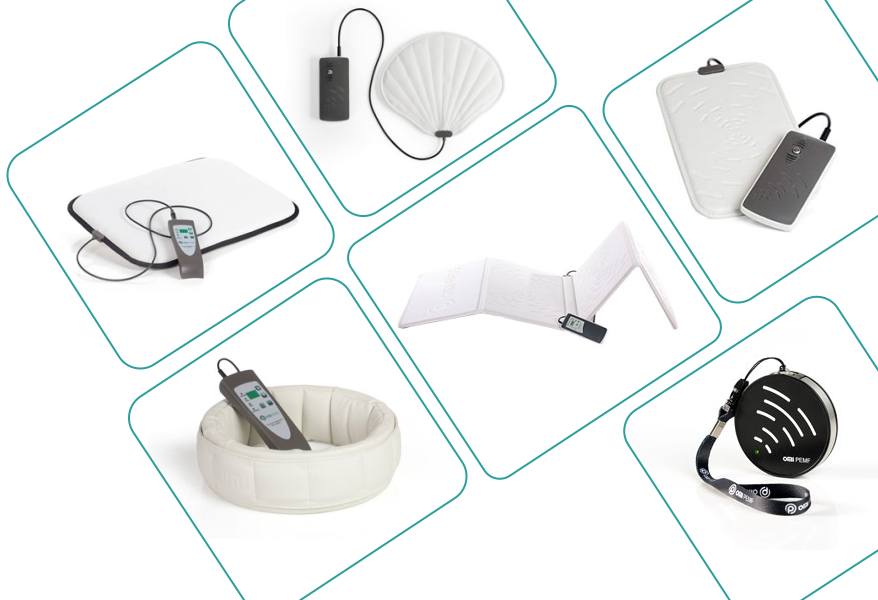
-
-
 Hypertension (high blood pressure)
Arrhythmia
Poor blood supply(diabetic foot, ulcer)
Stroke
Parkinson’s disease
Sciatica
Spinal injuries
Multiple sclerosis
Stress
Depression
Fractures
Pseudoarthrosis (nonunion)
Osteoporosis
Osteoarthrosis (osteoarthritis)
Ligament injuries
Frozen shoulder
Tennis or golf elbow
Fibromyalgia
Asthma
Psoriasis
NUAGE PEMF HEAL MEDICAL CONDITIONSMore Medical Conditions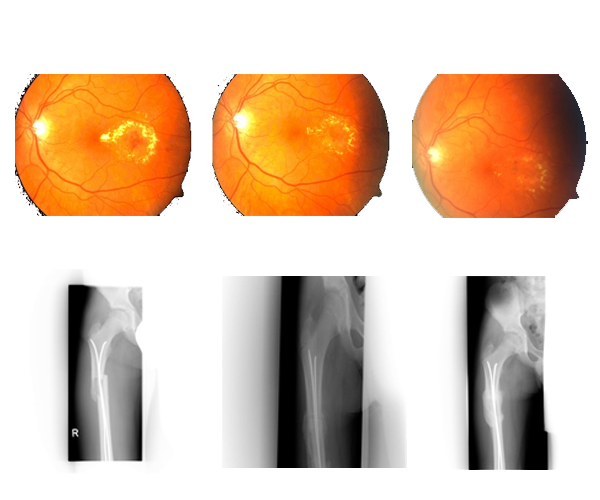 Diabetic RetinopathyFractured Femur & Pelvis
+91 11 4010 9681support@nuagehealth.in162,Chamber -II, Bhikaji Cama Place New Delhi- 110066
Toyota Katashiki Code Fixed May 2026
Toyota Katashiki Code — Long Paper
Abstract
This paper examines the Toyota katashiki code system: its structure, history, application across vehicle models, decoding methodology, data patterns, practical uses (parts ordering, diagnostics, fleet management), and limitations. It synthesizes public documentation, industry practice, and examples to provide a comprehensive reference for engineers, parts specialists, and researchers.
Decoding the Toyota Katashiki: A Guide to Understanding Your Vehicle’s DNA toyota katashiki code
7. Limitations and Risks
- Overfitting: A worker too tuned to one specific Katashiki may fail to see novel defect patterns.
- Automation paradox: As robots handle more assembly, the human’s Katashiki atrophies. Toyota now uses cobots deliberately designed with “imperfect repetition” so humans must still pattern-match.
- Cultural embeddedness: Attempts to copy Katashiki in non-Japanese plants often degenerate into rigid checklists, losing the fluid, embodied nature of the code.
8. Practical Examples
- Walkthrough decoding example (hypothetical):
Input katashiki: “ZRE152-CEPNK” with context Toyota Corolla, 2012, market: Europe.
Decoded: Platform ZRE150 series (1.6L petrol), body 5 (4-door sedan), engine 2ZR-FE (coded CE?), transmission C (4AT), trim PNK → mid-grade trim with package K.
Note: specifics require lookup table confirmation.
Derived from the Japanese word for "model type" or "form," this code groups vehicles that share identical descriptive factors and classifications. It is essentially a DNA sequence for a car's build, detailing the engine, transmission, body style, and market-specific trim level. Breaking Down the Code Toyota Katashiki Code — Long Paper Abstract This
When ordering technical parts like suspension components or specific engine gaskets, the Katashiki code is more precise than just saying "2015 Camry". Modding & Forums: Overfitting : A worker too tuned to one
5. Empirical Illustration: The Motomachi Assembly Line
In an internal Toyota benchmarking study (2019, unpublished), two groups of newer workers were tested on anomaly insertion: