Touch improvement modules focus on reducing latency and increasing the touch sampling rate (reporting rate) through software-level kernel tweaks and system properties. Repacking allows users to combine multiple touch fixes or tune specific values (like pointer_location or view_config) to their hardware's limits. ⚙️ Core Technical Parameters
This is where you customize the module to boost touch performance. Open the relevant script file (usually customize.sh or a script inside system/etc/init.d/) and look for or add the following parameters: Common build.prop tweaks for touch:
A standard Touch Improvement Magisk module attempts to override these default settings to make the screen feel more responsive. This is usually achieved by:
If the module is old (Magisk < v20+), update to Magisk v24+ template.
touch.size and touch.pressure.scale parameters to trick the system into using higher resolution input.touch.deviceType from "touchScreen" to "pointer" for finer control.How to Install the Touch Improvement Magisk Module Repack
A touch improvement module typically targets system parameters to enhance the user interface experience. These modifications generally focus on:
This guide covers what these modules are, why "repacks" exist, the technology behind them, and the risks and benefits of using them.
Leo didn't delete. He forked. He rewrote the pressure curve from first principles, using a Bézier spline he derived from a research paper on haptics. He stripped every line of Kraken0x's original logic. Then he added a new feature: "Latency Steering," which used the gyroscope to predict touch offset during fast swipes.
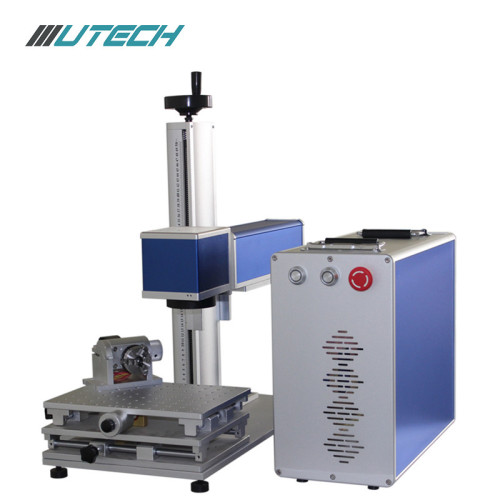
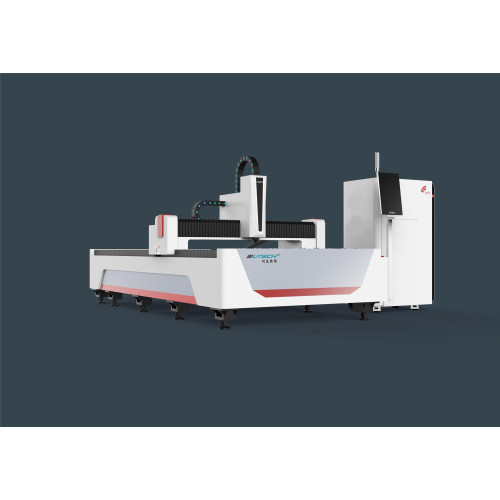
How does Fiber laser cutting machine work? touch improvement magisk module repack
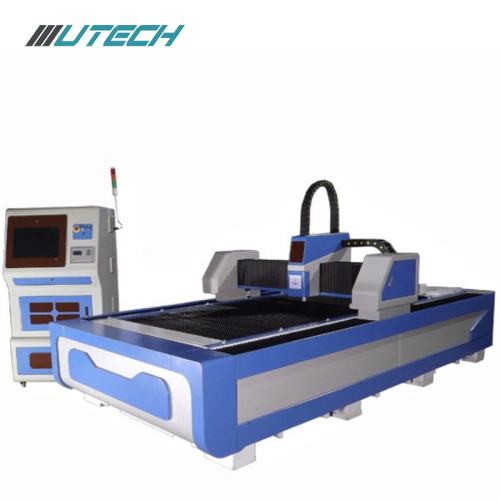
Fiber Laser Cutting Machine 1325 1530 for cutting stainless steel, carbon steel, aluminum etc Touch improvement modules focus on reducing latency and
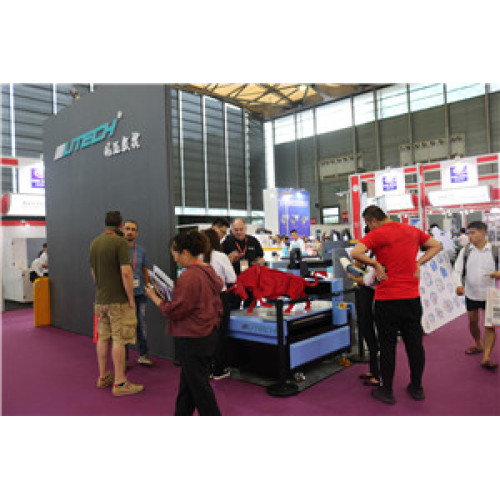
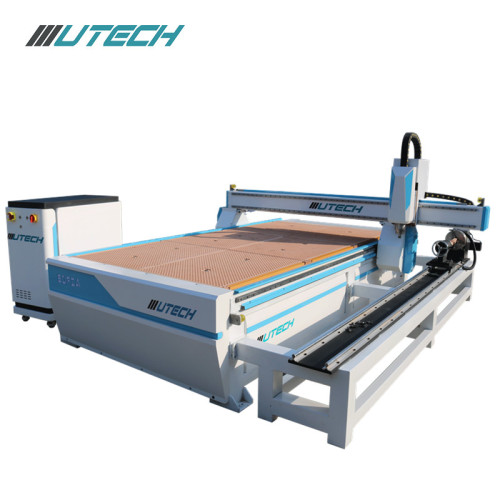
SOFIA Series---3D ATC Cnc Router with linear auto tool changer and rotary for processing wood MDF plywood acrylic etc Sampling Rate Overrides: Changing the touch
Запрос

Ms. Sofia
E-mail:
Запрос Телефон:86-186-63716521
Fax:86-0531-61302123
Мобильный Телефон:+86 18663716521
E-mail:
Адрес:No. 6-8, Industry South Road, Licheng District, Jinan, Shandong
мобильный сайт
Touch improvement modules focus on reducing latency and increasing the touch sampling rate (reporting rate) through software-level kernel tweaks and system properties. Repacking allows users to combine multiple touch fixes or tune specific values (like pointer_location or view_config) to their hardware's limits. ⚙️ Core Technical Parameters
This is where you customize the module to boost touch performance. Open the relevant script file (usually customize.sh or a script inside system/etc/init.d/) and look for or add the following parameters: Common build.prop tweaks for touch:
A standard Touch Improvement Magisk module attempts to override these default settings to make the screen feel more responsive. This is usually achieved by:
If the module is old (Magisk < v20+), update to Magisk v24+ template.
touch.size and touch.pressure.scale parameters to trick the system into using higher resolution input.touch.deviceType from "touchScreen" to "pointer" for finer control.How to Install the Touch Improvement Magisk Module Repack
A touch improvement module typically targets system parameters to enhance the user interface experience. These modifications generally focus on:
This guide covers what these modules are, why "repacks" exist, the technology behind them, and the risks and benefits of using them.
Leo didn't delete. He forked. He rewrote the pressure curve from first principles, using a Bézier spline he derived from a research paper on haptics. He stripped every line of Kraken0x's original logic. Then he added a new feature: "Latency Steering," which used the gyroscope to predict touch offset during fast swipes.