Kohinoor Odia Calendar 1995: A Nostalgic Chronicle of Time

For the Odia diaspora and residents of Odisha, the name Kohinoor is synonymous with tradition, accuracy, and cultural identity. The Kohinoor Odia Calendar for 1995 remains a cherished artifact, representing more than just a grid of dates—it was a household essential, a planning tool, and a link to religious and social life.

1995 might be 30 years ago, but the scent of that old calendar paper still feels like home. 🏡💛

For those who still own a copy tucked away in an old trunk or a village home, it is a treasure. For the rest, it is a beautiful memory of an era when time had a tangible, colorful, and unmistakably Odia form. Whether you are a collector, an astrologer, or simply a nostalgic soul, the 1995 Kohinoor calendar remains a golden leaf in the rich cultural heritage of Odisha.

The Kohinoor Odia Calendar is deeply rooted in the traditions of the Jagannath Temple in Puri. Despite being founded by a Muslim family, the almanac gained immense respect for its authenticity and was eventually approved by the Mukti Mandap Pandit Sabha, the highest religious body of the Puri temple. Founder: Aminul Islam (1935). Publishing: Kohinoor Press, Cuttack.

The Kohinoor calendar uses specific Hindu epochs and Samvatsaras to determine daily timings: Kohinoor Press New Odia Calendar - Ritikart

The Kohinoor calendar typically includes specific astrological segments for each day: 1995 Odia Festivals Calendar for New Delhi, NCT, India

While there isn't a single "official" legend behind the 1995 Kohinoor Odia Calendar, it holds a significant place in Odisha's cultural memory as a transition point for traditional timekeeping into the modern era. Published by the historic Kohinoor Press in Cuttack, it serves as a Panjika (almanac)—a vital tool for Odia households to track festivals, marriage dates, and religious rituals. Why the 1995 Edition is Noteworthy

  • USD74,30
  • EUR88,55
  • BTC5 882 352,94
Суббота, 09 Мая
0°C

Kohinoor Odia Calendar 1995 =link=

Kohinoor Odia Calendar 1995: A Nostalgic Chronicle of Time

For the Odia diaspora and residents of Odisha, the name Kohinoor is synonymous with tradition, accuracy, and cultural identity. The Kohinoor Odia Calendar for 1995 remains a cherished artifact, representing more than just a grid of dates—it was a household essential, a planning tool, and a link to religious and social life.

1995 might be 30 years ago, but the scent of that old calendar paper still feels like home. 🏡💛 Kohinoor Odia Calendar 1995

For those who still own a copy tucked away in an old trunk or a village home, it is a treasure. For the rest, it is a beautiful memory of an era when time had a tangible, colorful, and unmistakably Odia form. Whether you are a collector, an astrologer, or simply a nostalgic soul, the 1995 Kohinoor calendar remains a golden leaf in the rich cultural heritage of Odisha. Kohinoor Odia Calendar 1995: A Nostalgic Chronicle of

The Kohinoor Odia Calendar is deeply rooted in the traditions of the Jagannath Temple in Puri. Despite being founded by a Muslim family, the almanac gained immense respect for its authenticity and was eventually approved by the Mukti Mandap Pandit Sabha, the highest religious body of the Puri temple. Founder: Aminul Islam (1935). Publishing: Kohinoor Press, Cuttack. 🏡💛 For those who still own a copy

The Kohinoor calendar uses specific Hindu epochs and Samvatsaras to determine daily timings: Kohinoor Press New Odia Calendar - Ritikart

The Kohinoor calendar typically includes specific astrological segments for each day: 1995 Odia Festivals Calendar for New Delhi, NCT, India

While there isn't a single "official" legend behind the 1995 Kohinoor Odia Calendar, it holds a significant place in Odisha's cultural memory as a transition point for traditional timekeeping into the modern era. Published by the historic Kohinoor Press in Cuttack, it serves as a Panjika (almanac)—a vital tool for Odia households to track festivals, marriage dates, and religious rituals. Why the 1995 Edition is Noteworthy
article-img

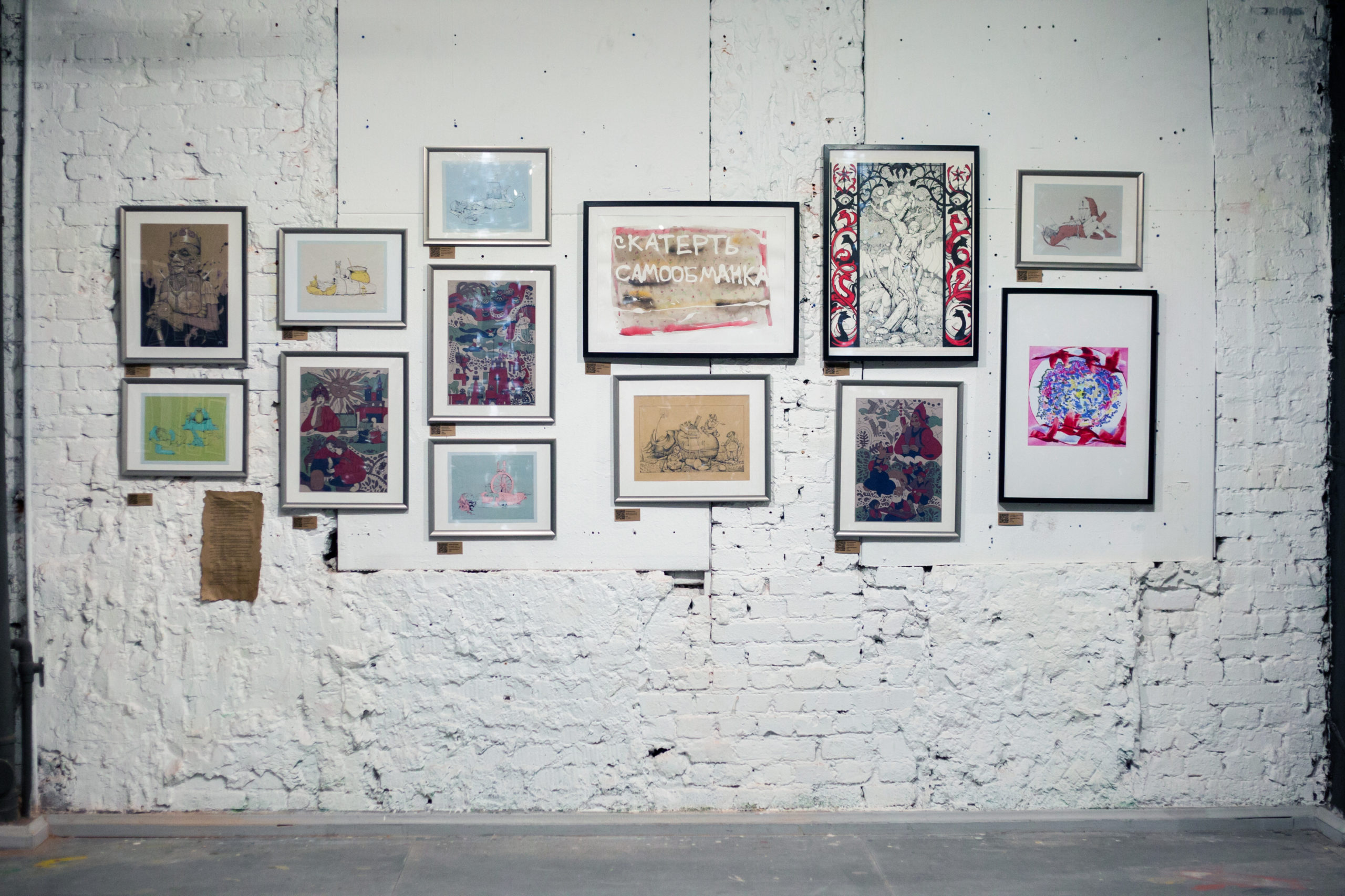
Что находится в «черном ящике»: как большие данные влияют на нашу жизнь и почему нас тревожит диджитализация

Интервью с кураторами выставки «‎Telling Stories. Большие данные» о том, почему нейросети вызывают опасения и как современным художникам творить в условиях постоянного технологического прогресса.

Популярное

Куда сходить?

Все события
event-img

Не выходи из комнаты

Не совершай ошибку

09май
Май 2026
Пн
Вт
Ср
Чт
Пт
Сб
Вс
1
2
3
4
5
6
7
8
9
10
11
12
13
14
15
16
17
18
19
20
21
22
23
24
25
26
27
28
29
30
31
Июнь 2026
Пн
Вт
Ср
Чт
Пт
Сб
Вс
1
2
3
4
5
6
7
8
9
10
11
12
13
14
15
16
17
18
19
20
21
22
23
24
25
26
27
28
29
30