
Gal Kapanawa May 2026
In Sri Lanka, " Gal Kapanawa " (Sinhala: ගල් කපනවා) is a colloquial Sinhala slang term that literally translates to "cutting stones" or "shaping rocks" . In a sexual context, it specifically refers to intercrural sex
Activities: Popular tours in the region include visits to Sea Turtle Hatcheries, Unawatuna Beach, and the National Maritime Archaeology Museum. Gal Kapanawa
Context: While widely understood, it is considered a vulgar or "street" slang term (filth or kunuharupa) and is not suitable for formal conversation. Key Differences at a Glance Literal Context Slang Context Translation "Cutting stones" "Thigh-rubbing" Field Construction, Gemology, Mining Human Sexuality Tone Professional / Technical Informal / Vulgar Associated Tools Chisels, Hanaporuwa In Sri Lanka, " Gal Kapanawa " (Sinhala:
The use of "Gal Kapanawa" reflects the broader social landscape of Sri Lanka regarding sexuality: 1. Coded Language Key Differences at a Glance Literal Context Slang
His big break came in the early 2000s. The world was grappling with the rise of widespread worms like Code Red and Nimda. While the industry focused on reactive antivirus definitions, Gal Kapanawa argued for a radical premise: Assume breach. Trust nothing. Verify everything. This was the seed of what would later become the Zero Trust framework.
Intercrural Sex: It is most commonly used as a euphemism for non-penetrative sexual activity, specifically intercrural sex (rubbing against the thighs).
Psychological and Disciplinary Function
From a psychological standpoint, Gal Kanawa serves as a shock therapy for the mind. The ascetic, by introducing an unpleasant, inedible object into the mouth, forcibly breaks the habitual link between taste and pleasure. Over time, this practice is said to lead to upekkhā (equanimity). As the mind ceases to react with aversion to the stone’s hardness or the discomfort of chewing, the practitioner learns to treat both pleasure and pain with equal detachment. This mirrors modern cognitive behavioral techniques where deliberate exposure to discomfort reduces reactive conditioning.

También te puede interesar

LIBERA ESPACIO. AVERIGUA QUÉ ARCHIVOS NO NECESITAS Y ESTÁN OCUPANDO TU DISCO DURO.
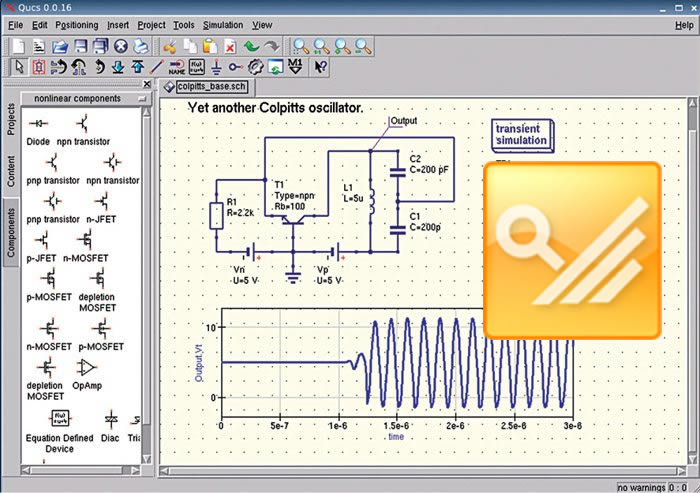
SIMULADOR UNIVERSAL DE CIRCUITOS ELÉCTRICOS
