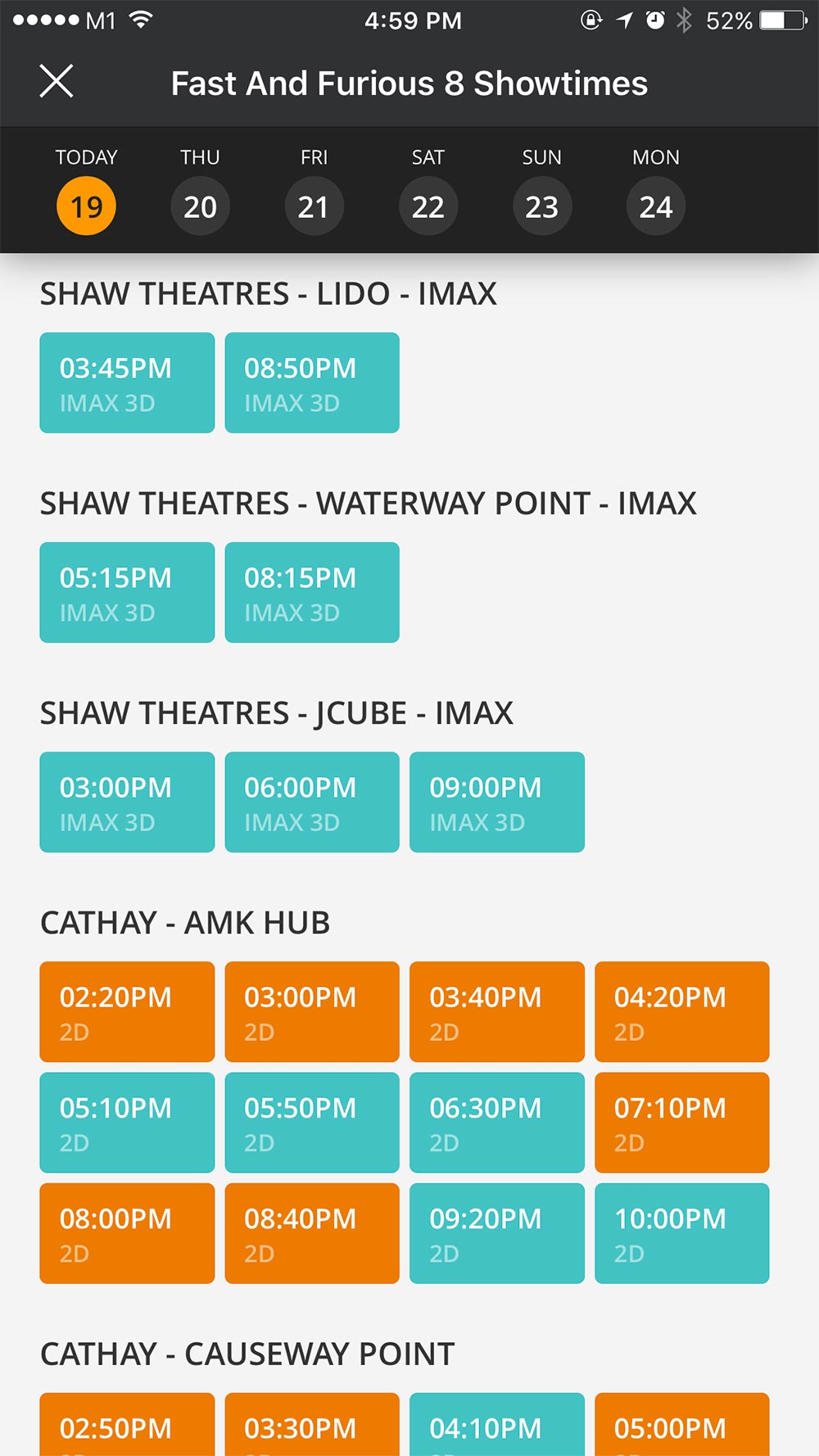
Your ultimate guide to all the latest movie news, reviews and Singapore showtimes at Cathay, Golden Village and Shaw cinemas.
The Apron Markings and Signs Handbook is a primary global reference published by Airports Council International (ACI) to standardize the visual cues used in aircraft parking and servicing areas. It complements international standards like ICAO Annex 14 and the FAA’s Advisory Circular 150/5340-1M, providing specific best practices for safety and uniformity. 1. Primary Objectives and Scope
Direction Signs: Indicate the path to specific concourses or parking stands. Strategic Management
| Marking Type | Appearance | Meaning (Handbook Extract) | | :--- | :--- | :--- | | Solid Yellow | 15cm thick line | Taxiway edge. Do not cross unless authorized. | | Double Solid Yellow | Two parallel lines | Physical barrier; equivalent to a concrete wall. | | Dashed Yellow | 15cm dashes | Aircraft can cross here to enter a taxiway from the apron. | | Solid White | 10-15cm thick | Vehicle lane divider. Do not change lanes. | | Zebra Markings | White stripes across black | Vehicle stop line prior to aircraft pushback path. | Apron Markings Signs Handbook
Best Practices for Implementation
: Instructions on placing signs (usually on the left side of taxiways) to ensure maximum visibility for approaching pilots. Types of Signs The Apron Markings and Signs Handbook is a
Indicate where an aircraft's nose wheel or cockpit must stop. Can be customized for specific aircraft types. Max Wingspan
Maintenance Best Practices: The latest edition includes guidance on paint materials, surface preparation, and visibility maintenance. Key Strengths Apron Markings and Signs Handbook – Third Edition 2017 Lead-in Lines: Yellow lines guide the pilot into the gate
The handbook directly complements international standards like ICAO Annex 14 and the ICAO Aerodrome Design Manual. It bridges the gap between regulatory requirements and day-to-day ground operations.